
Atlanta’s Highway Congestion Crisis: Why Metro Traffic Patterns Are Creating New Legal Challenges for Accident Victims
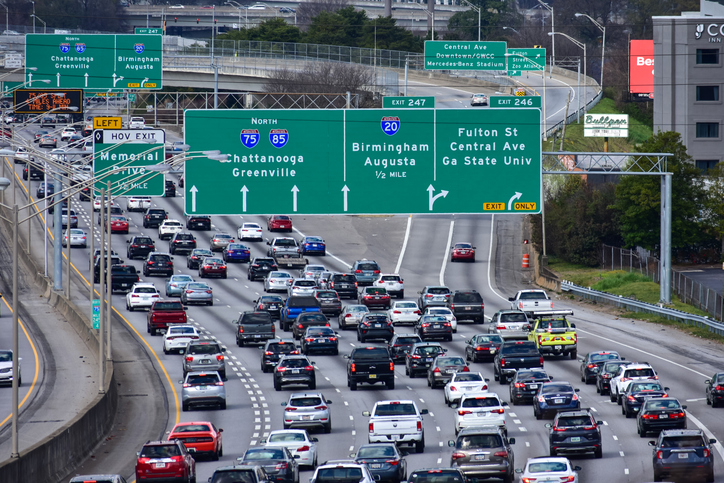
The numbers tell an uncomfortable story. Atlanta’s metro area now ranks among the nation’s most congested urban corridors, with commuters spending an average of 74 hours per year stuck in traffic according to recent transportation data. But beyond the frustration of gridlock lies a more serious concern: the collision patterns emerging from this congestion are creating unprecedented legal complexity for injured drivers.
As traffic density increases across I-285, I-85, and the downtown connector, accident dynamics have shifted in ways that traditional liability frameworks struggle to address. Multi-vehicle pileups, delayed emergency response times, and fragmented witness accounts now define a substantial portion of metro Atlanta crash litigation.
For those navigating injuries and insurance resistance in this environment, the path forward often requires working with experienced top-rated car accident lawyers in Atlanta who understand how regional traffic patterns impact case strategy.
When Stop-and-Go Traffic Becomes a Liability Minefield
Atlanta’s perpetual congestion creates a specific type of accident: the chain-reaction rear-end collision. These crashes often involve three, five, or even ten vehicles, making fault determination extraordinarily complex.
Georgia operates under a modified comparative negligence standard, meaning victims can recover damages as long as they’re less than 50% at fault. In multi-car accidents, establishing each driver’s percentage of responsibility becomes a critical—and highly contested—legal question.
Insurers frequently exploit this complexity. When five cars are involved and witness accounts conflict, carriers may argue shared fault to reduce payouts. The legal challenge isn’t just proving the other driver was negligent—it’s proving you weren’t partially responsible in a chaotic, stop-and-go scenario where reaction times are measured in fractions of a second.
The I-285 Problem: Where Geography Meets Legal Risk
Interstate 285, Atlanta’s perimeter highway, presents unique accident litigation challenges. The mix of local commuters, commercial trucks, and unfamiliar drivers creates unpredictable traffic behavior. Add construction zones that seem to shift weekly, and the result is a corridor where accidents often involve out-of-state defendants, complex jurisdictional questions, and insurance policies that may not meet Georgia’s minimum coverage requirements.
When a Tennessee-registered truck rear-ends a Georgia driver on I-285, which state’s laws apply? If the truck driver’s employer is headquartered in Alabama, where should the case be filed? These aren’t abstract legal questions—they directly affect recovery timelines and potential compensation amounts.
The Federal Motor Carrier Safety Administration maintains strict regulations for commercial vehicles, but enforcement gaps remain. Cases involving trucking companies often require extensive investigation into hours-of-service violations, maintenance records, and corporate compliance—work that goes well beyond a standard auto accident claim.
Why Atlanta’s Emergency Response Delays Matter Legally
Heavy traffic doesn’t just cause accidents—it delays help. When emergency vehicles struggle to reach crash scenes quickly, injuries that might have been treatable become catastrophic. This introduces a secondary legal consideration: whether traffic-related delays contributed to the severity of harm.
Georgia law allows for recovery of all damages reasonably foreseeable from the defendant’s negligence. If delayed medical treatment worsened an injury, that aggravation may be compensable—but proving causation requires medical experts who can distinguish between accident-related harm and delay-related harm.
This isn’t speculation. Studies from the National Highway Traffic Safety Administration have shown that response time delays in congested areas correlate with worse patient outcomes in serious collisions. When minutes matter, Atlanta’s traffic density becomes a medical—and legal—factor.
The Data Problem: Reconstructing Accidents in High-Density Environments
Modern accident reconstruction relies heavily on physical evidence and electronic data. But Atlanta’s traffic volume creates complications. Skid marks disappear quickly as thousands of vehicles pass over the scene. Security camera footage from nearby businesses may capture dozens of cars simultaneously, making isolation of the relevant vehicles difficult.
Event Data Recorders (EDRs) in vehicles provide crucial information about speed, braking, and impact—but when six cars are involved, synthesizing that data into a coherent timeline requires expert analysis. Insurance companies have their own experts, and disputes over data interpretation are common.
What’s often underestimated is how quickly this evidence deteriorates or disappears. Traffic camera footage may be overwritten within weeks. Witness memories fade. Physical damage gets repaired. In congested urban environments, the window for evidence preservation is narrower than many realize.
Insurance Resistance in a High-Volume Accident Market
Atlanta’s accident volume creates another challenge: insurance companies that handle thousands of local claims per year develop sophisticated strategies for minimizing payouts. Adjusters know the local courts, understand Georgia’s comparative negligence rules, and recognize which injuries are difficult to prove.
Common tactics include:
- Disputing medical necessity of treatment
- Arguing that injuries were pre-existing
- Claiming gaps in treatment indicate minimal harm
- Using surveillance to suggest exaggerated disability claims
These strategies aren’t illegal—they’re business practices designed to protect the insurer’s bottom line. But they create obstacles for injured individuals who lack the resources or knowledge to counter them effectively.
Georgia’s direct action statute prohibits suing an insurance company directly in most cases, meaning claims must proceed through the at-fault driver first. This procedural requirement adds time and complexity to recovery efforts, particularly when defendants are underinsured or uninsured.
Uninsured Motorist Coverage: Atlanta’s Overlooked Protection
Georgia doesn’t require uninsured motorist (UM) coverage, but given Atlanta’s traffic density and the number of underinsured drivers on the road, it’s often the difference between full recovery and financial hardship.
When an at-fault driver carries only Georgia’s minimum liability limits—$25,000 per person—serious injuries quickly exhaust that coverage. Without UM protection on your own policy, the remaining damages become difficult or impossible to collect, particularly when defendants lack significant assets.
UM claims introduce their own legal complexities. Your own insurance company becomes the adversary, and coverage disputes often focus on policy interpretation, exclusions, and whether the accident falls within the policy’s definition of an “uninsured motorist” event.
The Construction Zone Factor
Atlanta’s infrastructure is in a constant state of renovation. Construction zones proliferate across I-75, I-85, and surface streets throughout the metro area. These zones create hazardous driving conditions and unique liability questions.
When accidents occur in construction zones, potential defendants may include:
- The at-fault driver
- The construction company, if improper signage or barriers contributed
- The Georgia Department of Transportation, if design defects played a role
- Subcontractors responsible for traffic control
Federal Highway Administration regulations require specific safety measures in work zones, but violations are common. Proving that a construction company’s negligence contributed to an accident requires detailed investigation, including review of traffic control plans, site inspections, and regulatory compliance records.
Government entities enjoy sovereign immunity in Georgia, though exceptions exist. Bringing claims against GDOT or other public agencies requires navigating strict notice requirements and procedural hurdles that can trap the unwary.
The Medical Treatment Maze
Atlanta’s sprawling geography creates another challenge: fragmented medical care. Accident victims may receive emergency treatment at one hospital, follow-up care from a different provider network, and rehabilitation services from yet another facility. This fragmentation complicates documentation and creates gaps that insurance companies exploit.
Georgia law requires that medical bills be “reasonable and necessary” to be recoverable. When treatment spans multiple providers across different systems, proving the continuity and medical necessity of care requires meticulous record-keeping and often expert testimony from treating physicians.
The rise of hospital liens adds further complexity. When health insurance companies or hospitals place liens on accident settlements to recover their costs, victims can find their recovery significantly reduced even after winning their case. Negotiating these liens requires knowledge of Georgia’s subrogation laws and the leverage points available in different types of claims.
Where Atlanta’s Accident Law Is Heading
Several trends are reshaping how car accident cases are litigated in metro Atlanta:
Technology-Driven Evidence: Dashcam footage, smartphone data, and vehicle telematics are becoming standard. Cases increasingly hinge on digital evidence that didn’t exist a decade ago.
Commercial Vehicle Scrutiny: High-profile truck accidents have increased regulatory focus. Expect more aggressive investigation of commercial driver compliance and more willingness by courts to pierce corporate veils when safety violations are involved.
Medical Cost Inflation: As healthcare costs rise, the damages in serious injury cases climb accordingly. This creates higher stakes in litigation and more aggressive defense tactics.
Insurance Bad Faith Claims: Georgia law allows victims to sue insurers for bad faith denial or delay of legitimate claims. As insurance resistance tactics become more sophisticated, expect more bad faith litigation.
The Immediate Steps That Matter
When an accident occurs in Atlanta’s congested traffic, the immediate aftermath determines the strength of any future legal claim. Key actions include:
- Documenting the scene comprehensively, including photos of all vehicles, road conditions, and traffic patterns
- Obtaining contact information from all witnesses, not just those who appear sympathetic
- Reporting the accident to police, even if injuries seem minor initially
- Seeking medical attention immediately, before adrenaline wears off and hidden injuries manifest
- Preserving all physical evidence, including damaged property and torn clothing
- Avoiding recorded statements to insurance companies before consulting legal counsel
These steps seem basic, but in the chaos following a collision—particularly in heavy traffic with angry drivers and approaching emergency vehicles—they’re easily overlooked.
The Cost of Delayed Action
Georgia’s statute of limitations for personal injury claims is two years from the date of the accident. That seems like ample time, but evidence deteriorates quickly. Witnesses move. Memories fade. Electronic data gets overwritten. Companies go out of business or change ownership.
More importantly, insurance companies use delay against claimants. Long gaps between the accident and the initial demand letter suggest weak claims. Delayed medical treatment creates arguments that injuries weren’t serious or weren’t caused by the accident.
The window for effective legal action is much narrower than the statutory deadline suggests.
What Atlanta’s Accident Victims Face
The legal landscape for car accident victims in metro Atlanta is more complex than in many other cities. High traffic density, aggressive insurance practices, multi-jurisdictional complications, and fragmented medical care create obstacles that can overwhelm individuals navigating the system alone.
Understanding these challenges doesn’t make them disappear. But it does highlight why accident cases—particularly those involving serious injuries, disputed liability, or inadequate insurance—benefit from experienced legal guidance that understands Atlanta’s specific legal and logistical environment.
The city’s traffic isn’t getting better. As congestion increases, the legal challenges facing accident victims will only grow more complex.