
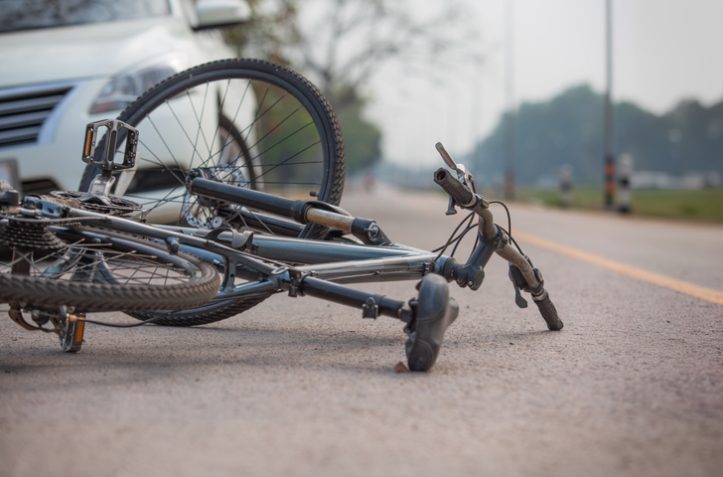
Serious Bicycle Accidents: What Every Cyclist Needs to Know Before It’s Too Late
Every year, thousands of cyclists set out on familiar roads — to work, to the park, to a friend’s house — and never make it home the same way they left. A moment of inattention from a driver. A car door flung open without warning. A wet patch of asphalt through an unlit intersection. Serious bicycle accidents are not rare flukes. They are a predictable, preventable crisis unfolding on roads across the country.
This article is not meant to scare you off your bike. Cycling is one of the most beneficial forms of transportation and recreation available. But if you ride — or love someone who does — understanding the true nature and scope of serious bicycle crashes could save a life, or at the very least, help you protect your legal rights in the devastating aftermath of one.
The Scale of the Problem Is Staggering
According to data from the National Highway Traffic Safety Administration (NHTSA), nearly 1,000 cyclists are killed in traffic crashes in the United States every single year, and tens of thousands more are seriously injured. These are not minor fender-benders. We’re talking about traumatic brain injuries, spinal cord damage, shattered pelvises, and amputations — injuries that permanently alter the course of a person’s life.
Urban areas see the highest concentration of these crashes. Cities with growing cycling infrastructure — places like Portland, Seattle, Chicago, and New York — also see higher absolute numbers of cyclist injuries, often because more riders are sharing roads with inattentive drivers who haven’t adjusted to the new reality.
“The most dangerous moment for a cyclist isn’t always the one that looks most dangerous. It’s the mundane intersection, the familiar commute, the distracted driver running a yellow light.”
What Makes Bicycle Accidents So Serious?
The physics are unforgiving. A cyclist hit by a vehicle traveling at just 30 miles per hour faces a catastrophic transfer of energy with virtually no protective barrier between their body and the force of impact. Helmets help — dramatically — but they don’t prevent broken clavicles, torn ligaments, internal hemorrhaging, or road rash severe enough to require skin grafting.
The Centers for Disease Control and Prevention (CDC) estimates that helmets reduce the risk of serious head injury by up to 70%, yet a significant portion of injured cyclists are struck without one, or are wearing improperly fitted helmets that provide far less protection than assumed.
Beyond the physical violence of impact, many serious bicycle injuries stem from what happens next: the cyclist being thrown from their bike, sliding across pavement, or being struck a second time by another vehicle before coming to rest. Secondary injuries are common and often worse than the initial collision.
The Most Common Causes of Serious Bicycle Crashes
Understanding the cause isn’t about assigning blame in the abstract — it’s about understanding patterns that can be anticipated and, in legal cases, proven. The most frequent causes of severe bicycle accidents include:
Dooring: A driver or passenger opens a car door directly into the path of a cyclist. The cyclist either strikes the door at speed or swerves into traffic to avoid it. Dooring is particularly prevalent in cities with on-street parking alongside bike lanes.
Left-cross and right-hook collisions: These occur at intersections when a driver turns across the cyclist’s path. Left-cross crashes happen when a driver turns left in front of an oncoming cyclist; right-hooks occur when a driver turning right cuts off a cyclist riding straight. Both are frequently caused by drivers failing to check for cyclists or underestimating their speed.
Rear-end collisions: A driver fails to notice a cyclist ahead and strikes them from behind. This is especially dangerous on higher-speed roads and is often linked to distracted or impaired driving.
Road hazards: Potholes, uneven pavement, railroad tracks, gravel, and debris can cause catastrophic falls — particularly at speed. In cases where road conditions are the fault of a negligent municipality or property owner, injured cyclists may have legal claims beyond the typical auto insurance framework.
The Legal Landscape After a Serious Bicycle Accident
If you or someone you love has been seriously injured in a bicycle accident, the legal path forward is often complex. Unlike a minor fender-bender, serious injuries create a cascade of consequences: mounting medical bills, lost wages, long-term rehabilitation needs, and in the worst cases, permanent disability or wrongful death claims.
Insurance companies — including the at-fault driver’s carrier — have teams of adjusters and attorneys whose job is to minimize what they pay out. They may contact injured cyclists quickly after the accident, before the full scope of injuries is even known, and offer settlements that fall far short of what victims actually need.
States vary widely in how they handle bicycle accident liability. Some follow comparative fault rules, meaning your compensation could be reduced if you’re found to be partially responsible for the accident — even if you did nothing wrong by any reasonable standard. An experienced attorney can help protect your account of events from being distorted by an opposing insurer.
In the Pacific Northwest, where cycling is both a cultural institution and a daily commuting reality, these cases arise with unfortunate regularity. Cyclists injured in the Portland metro area who are navigating the legal aftermath of a serious crash often benefit from working with a Portland, Oregon serious bicycle accident attorney who understands the specific road conditions, local ordinances, and court landscape that shape these cases.
What to Do Immediately After a Serious Bicycle Accident
The actions taken in the minutes, hours, and days following a crash can significantly affect both your recovery and your legal options. If you are physically able:
Call 911 immediately and request both police and medical assistance. A police report creates an official record that will be essential in any subsequent legal or insurance process. Accept medical evaluation on the scene, even if you feel you may be okay — adrenaline masks pain, and many serious internal injuries are not immediately apparent.
Document everything you safely can: photographs of your injuries, the vehicle involved, the scene of the crash, road conditions, and any visible damage to your bike. Get the names and contact information of any witnesses before they disperse. If the driver has been drinking, note this observation for the responding officer.
Follow up with your physician — ideally the same day or the next morning — even after emergency care. A continuous medical record that begins immediately after the accident is far stronger than one with gaps. Insurance companies will use any delay in treatment to argue that your injuries were not as serious as claimed, or were caused by something else entirely.
Prevention: The Other Side of the Equation
Legal rights matter enormously. But avoiding a crash in the first place matters more. The Bicycle Helmet Safety Institute and road safety researchers consistently identify a set of behaviors that meaningfully reduce crash risk for cyclists: always wearing a properly fitted helmet, using front and rear lights even in daylight, making eye contact with drivers before proceeding through intersections, riding predictably and staying visible, and avoiding riding in drivers’ blind spots — especially near large trucks and delivery vehicles.
Advocacy matters too. Cities that have invested in protected bike infrastructure — physically separated lanes, signal priority for cyclists, and reduced speed limits in high-traffic corridors — see measurable reductions in cyclist fatalities. Organizations like the League of American Bicyclists track which cities are making meaningful progress and which are lagging dangerously behind.
The Human Cost We Can’t Forget
Behind every statistic is a person. A teacher who commuted by bike for fifteen years and was hit by a driver checking a text message. A teenager on a Saturday afternoon ride. A retiree who discovered cycling late in life as a joy — and paid for it with months of surgeries and physical therapy through no fault of their own.
Serious bicycle accidents are not inevitable. They are the result of failures — in driver attention, in road design, in enforcement of traffic laws, and sometimes in the actions of property owners or municipalities who allow dangerous conditions to persist. When those failures cause lasting harm, the people affected deserve to understand both their medical options and their legal rights — fully, clearly, and without delay.
If you’ve been injured, don’t navigate the aftermath alone. Speak with a medical professional about your injuries. Speak with a legal professional about your options. And if you’re reading this before an accident has occurred — wear your helmet, light up your bike, and stay visible. The road you’re on was designed for cars. Ride like it.