
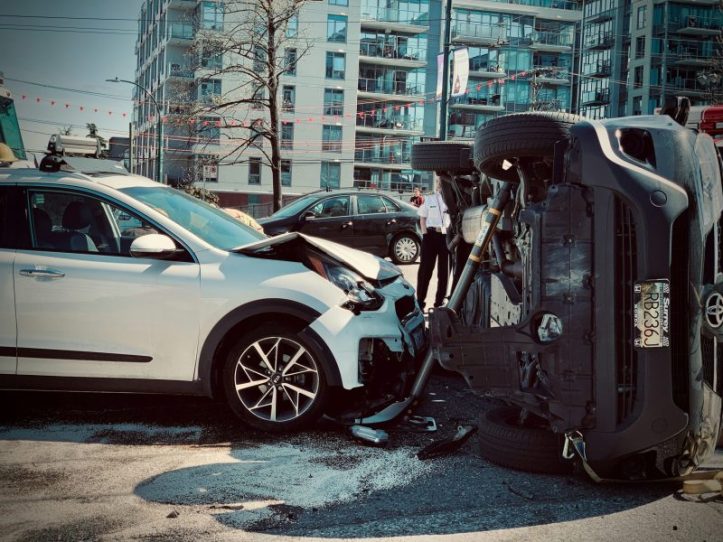
What to Do After a Car Accident: A Step-by-Step Legal Guide
A car accident can turn a normal day into a crisis in seconds. Between the shock of the collision, the pressure from insurance adjusters, and the reality of medical bills piling up, most people have no idea where to start — or what they might be giving up by waiting.
This guide walks through everything you need to know after a crash: what to do at the scene, how insurance claims actually work, when you have a legal case, and what your rights are as an injured driver, passenger, or pedestrian. The goal is simple — give you clear, actionable information so you can protect yourself from the moment of impact forward.
How Common Are Car Accidents in the U.S.?
The scale of the problem in the United States is significant. According to the National Highway Traffic Safety Administration (NHTSA), an estimated 39,345 people died in U.S. traffic crashes in 2024 — and approximately 2.42 million more were injured. That works out to roughly one traffic death every 13 minutes.
In Minnesota specifically, the Department of Public Safety recorded 477 traffic deaths in 2024, with tens of thousands more injured in non-fatal crashes. Minneapolis and the surrounding metro account for a significant share of those incidents — not because the city is unusually dangerous, but because dense urban areas simply put more vehicles in close proximity more often.
The numbers matter because they tell you something critical: car accidents are not rare events. Most people will be involved in at least one serious crash during their lifetime. Knowing what to do before it happens is the single best thing you can change.
The Most Common Types of Car Accidents
Understanding the type of crash you were in helps determine fault, injury patterns, and what your claim may be worth.
Rear-End Collisions
The most frequent type of crash in the U.S., rear-end accidents are almost always the fault of the driver in the back. They cause whiplash, herniated discs, and traumatic brain injuries at rates that often aren’t obvious until days after the incident. Insurance companies routinely undervalue these claims — partly because the injuries are internal and partly because victims often feel “fine” at first.
T-Bone (Side-Impact) Crashes
These happen at intersections and are among the most dangerous collisions, especially for occupants on the struck side. Serious chest, rib, hip, and head injuries are common. Determining fault typically requires traffic camera footage, witness statements, and sometimes accident reconstruction.
Head-On Collisions
Statistically the deadliest type of crash despite being relatively rare. Often involve wrong-way driving, distraction, or impairment. Catastrophic injuries — spinal cord damage, traumatic brain injury, internal bleeding — are common among survivors.
Rollover Accidents
More common in SUVs and trucks due to higher centers of gravity. According to NHTSA’s subcategory analysis, rollover fatalities declined roughly 6% in 2024, but they remain disproportionately deadly. Ejection from the vehicle dramatically increases the risk of fatal injury.
Multi-Vehicle Pileups
Chain-reaction crashes on highways or in poor weather conditions involve complex liability across multiple parties. Determining which driver triggered the crash and how each subsequent collision contributed to injuries requires thorough investigation.
Hit-and-Run Crashes
Minnesota reported an estimated 5,800 hit-and-run crashes in 2024 alone. These cases are more complicated than standard crashes — but not hopeless. Uninsured motorist (UM) coverage on your own policy may apply, and law enforcement or private investigators can sometimes locate the at-fault driver.
Injuries to Watch For After a Crash
Some of the most serious car accident injuries don’t show up on an X-ray — and they don’t always hurt right away.
Whiplash and soft tissue injuries — Neck and back pain from rapid deceleration. Symptoms can take 24 to 72 hours to appear.
Concussion and traumatic brain injury (TBI) — Headache, confusion, sensitivity to light, and memory problems after a crash should be taken seriously, even without a visible head wound.
Herniated discs — The force of a collision can compress spinal discs in ways that cause numbness, radiating pain, or weakness in the arms or legs weeks later.
Internal bleeding — Abdominal tenderness, dizziness, or fainting after a crash can indicate internal injuries that require emergency care.
Broken bones and joint injuries — Wrists, ribs, ankles, and shoulders absorb tremendous force in crashes. Not all fractures are immediately obvious.
Psychological trauma — PTSD, anxiety, and phobias related to driving are well-documented outcomes of serious crashes and can affect quality of life for years.
The key rule: get examined by a doctor as soon as possible after any crash, whether or not you think you were hurt. Emergency or urgent care documentation creates the medical record your attorney will need — and identifies problems before they worsen.
What to Do at the Scene
Act methodically. Adrenaline makes it hard to think clearly, which is why having a mental checklist matters.
- Move to safety if possible. If the vehicles are drivable and you’re not seriously injured, move them out of traffic. If there’s any chance of serious injury to anyone, don’t move them.
- Call 911. Request police and medical response. A police report is not just paperwork — it’s a formal record of the crash that becomes evidence in your insurance claim or lawsuit.
- Document everything. Photograph both vehicles from multiple angles before anything is moved. Photograph the road conditions, skid marks, traffic signals, and any visible injuries. Take wide-angle shots as well as close-ups.
- Exchange information. Name, license number, insurance company, policy number, vehicle make and model, and license plate from every driver involved.
- Collect witness contact information. Bystanders who saw the crash can be invaluable. They’re often unwilling to get involved later if you don’t get their information at the scene.
- Don’t apologize. Don’t say “I’m sorry,” “I didn’t see you,” or anything that could be interpreted as an admission of fault. This isn’t about being callous — it’s about protecting your legal rights.
- Seek medical care that day. Even if you feel okay. Emergency rooms, urgent care clinics, and your primary care physician can all document your condition in the immediate aftermath of the crash.
Dealing With Insurance After a Crash
Insurance claims are where many injured people lose money they’re entitled to. Here’s what to understand going in.
Report the crash promptly. Most policies require notification within a set period. Do this, but keep your account of the crash factual and brief.
You are not required to give a recorded statement to the other driver’s insurer. The opposing insurance company will ask for one. You can decline, or consult an attorney first. Recorded statements are routinely used to minimize or deny claims.
Initial settlement offers are almost always low. Insurers make quick, low offers because many people accept them before they understand the full extent of their injuries. Once you accept a settlement and sign a release, you typically cannot go back for more — even if your injuries turn out to be worse than you thought.
Know your own coverage. Uninsured/underinsured motorist coverage (UM/UIM), medical payments coverage (MedPay), and personal injury protection (PIP) — if you have them — can provide compensation regardless of fault.
Minnesota is a no-fault state. Minnesota requires drivers to carry Personal Injury Protection (PIP), which covers medical expenses and lost wages up to policy limits regardless of who caused the crash. However, you can still step outside the no-fault system and pursue a liability claim against the at-fault driver if your injuries meet a certain threshold. An attorney can help you determine which path makes sense for your situation.
What Damages Can You Recover?
If another driver’s negligence caused your crash, you may be entitled to compensation that goes well beyond medical bills.
Economic damages are the documented financial losses:
- Past and future medical expenses
- Lost wages and diminished earning capacity
- Property damage
- Out-of-pocket costs related to your recovery
Non-economic damages cover the harder-to-quantify harms:
- Pain and suffering
- Emotional distress
- Loss of enjoyment of life
- Loss of consortium (impact on your relationship with a spouse)
Punitive damages — rare, but possible in cases involving drunk driving, street racing, or extreme recklessness — are designed to punish the at-fault driver rather than simply compensate the victim.
What your case is worth depends on the severity of your injuries, how clearly fault can be established, and whether the at-fault driver has adequate insurance coverage. These are exactly the questions an experienced car accident attorney is equipped to answer.
Minnesota-Specific Rules Injury Victims Should Know
Comparative fault rules: Minnesota follows a modified comparative fault standard. If you’re found partially at fault for the crash, your compensation is reduced by your percentage of fault — but you can still recover as long as you’re less than 51% responsible.
Statute of limitations: Under Minnesota law, most car accident injury claims must be filed within six years of the crash date. Wrongful death claims have a shorter window. Waiting exposes you to the risk of losing evidence and witness memory — and potentially losing your right to sue entirely.
No-fault threshold: To pursue a liability claim outside of PIP coverage in Minnesota, your medical expenses typically must exceed $4,000, or your injuries must involve permanent injury, disfigurement, or disability.
Reporting requirements: Minnesota law generally requires drivers to report crashes involving injury, death, or property damage over $1,000 to the Department of Public Safety.
Resources for Car Accident Victims in Minnesota
The following are legitimate, publicly available resources for people injured in Minnesota crashes:
- Minnesota Department of Public Safety (DPS): dps.mn.gov — Crash reports, traffic safety data, and victim resources.
- Minnesota Department of Transportation (MnDOT) Crash Data: dot.state.mn.us — Statewide crash mapping and analysis tools.
- Minnesota Toward Zero Deaths: minnesotatzd.org — Traffic safety education and crash prevention resources.
- Minnesota Courts (court.mn.gov): For filing civil claims or accessing public court records related to your accident case.
- NHTSA’s SaferCar Resources: nhtsa.gov — Safety ratings, recall information, and crash statistics.
When Should You Contact a Car Accident Attorney?
Not every fender-bender requires legal representation. But you should speak with an attorney if:
- You or anyone in your vehicle sustained any injury
- The other driver was uninsured, underinsured, or left the scene
- There’s a dispute about who was at fault
- An insurance company is delaying, denying, or lowballing your claim
- You missed work or anticipate ongoing medical treatment
- A commercial vehicle, government vehicle, or multiple drivers were involved
- A loved one was killed in the crash
The earlier you involve an attorney, the better. Evidence degrades. Witnesses move on. Insurance companies build their defense from day one — and so should you.
Contact our car accident attorneys in Minneapolis today for a free, no-obligation consultation. There’s no upfront cost, no fee unless you recover, and no pressure. Just clear answers about your options from attorneys who handle these cases every day.
Frequently Asked Questions About Car Accidents
How long do I have to file a car accident claim in Minnesota?
Minnesota’s statute of limitations for personal injury claims is six years from the date of the crash. Wrongful death claims must typically be filed within three years. While six years may sound like plenty of time, waiting hurts your case — memories fade, witnesses become harder to locate, and physical evidence disappears.
Do I need a police report to file an insurance claim?
Technically no — but practically, yes. Insurance companies treat police reports as independent, contemporaneous evidence of the crash. Without one, it becomes your word against the other driver’s. Always call 911, even for crashes that seem minor.
What if the other driver doesn’t have insurance?
Minnesota requires drivers to carry uninsured motorist (UM) coverage. If the other driver has no insurance, your own UM policy can cover your injuries and damages. An attorney can help you navigate this process and ensure your insurer pays what it owes.
Can I still recover compensation if I was partially at fault?
Yes — as long as you were less than 51% responsible for the crash under Minnesota’s comparative fault rules. Your recovery is reduced by your percentage of fault, but you’re not barred from recovering entirely.
What is PIP coverage and how does it work in Minnesota?
Personal Injury Protection (PIP) is mandatory no-fault coverage in Minnesota. It pays your medical expenses and a portion of lost wages up to your policy limits regardless of who caused the crash. PIP kicks in before liability coverage and allows injured parties to get care quickly without waiting for fault to be determined.
Should I accept the insurance company’s first settlement offer?
Rarely. First offers are almost always below the true value of the claim. Insurance companies know that many people — especially those facing mounting bills — will accept quick money before fully understanding their injuries. Once you sign a release, that settlement is final.
How much does it cost to hire a car accident attorney?
Car accident attorneys work on contingency fee agreements, meaning they charge nothing upfront and collect a percentage of the final recovery only if your case is successful. If there’s no recovery, there’s no fee. This structure means anyone can access legal representation regardless of their financial situation.
What if I was hit by a drunk driver?
Crashes caused by drunk or impaired drivers often involve heightened damages, including potential punitive damages in addition to standard compensation. Criminal charges against the driver run separately from your civil claim — you can pursue compensation regardless of whether the driver is convicted.
How long does a car accident lawsuit take in Minnesota?
It depends on the complexity of the case and whether it settles or goes to trial. Many cases resolve within several months through negotiation. Cases that go to trial can take one to three years or longer. Your attorney can give you a realistic timeline based on the specifics of your situation.
What should I bring to my first meeting with a car accident lawyer?
Bring anything you have: the police report, photos from the scene, medical records and bills, insurance correspondence, pay stubs (to document lost wages), and the other driver’s insurance information. Don’t worry if you don’t have everything — your attorney can help obtain missing records.