
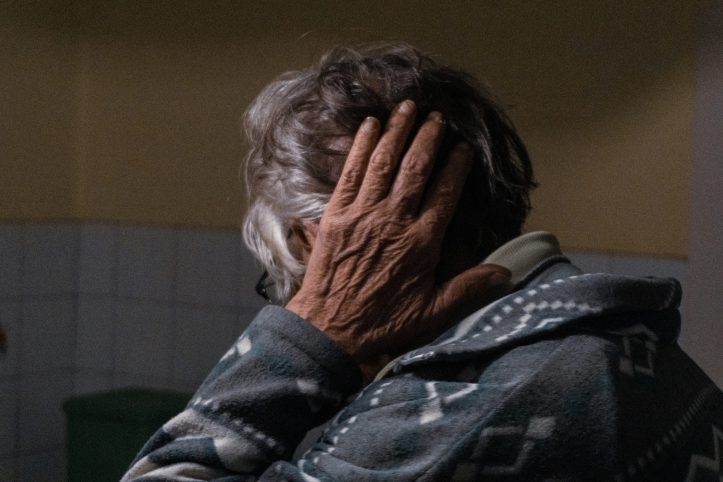
When Does Concern Become a Legal Obligation? Viral Video Sparks New Questions About Elder Abuse Reporting
A viral video out of North Carolina is raising a critical legal question: when does witnessing possible neglect of an elderly person trigger a duty to report it?
The footage, shared widely across social media, shows an elderly man wandering alone—appearing disoriented and potentially neglected. The public response was immediate: Was this elder abuse, and should it have been reported? According to WECT, the incident prompted renewed questions about elder abuse reporting obligations.
While the video itself may be unsettling, the legal implications behind it are far more significant—and widely misunderstood.
Understanding Elder Abuse vs. Neglect Under the Law
Elder abuse is not limited to physical harm. The National Institute on Aging explains that elder abuse may include physical abuse, emotional abuse, financial exploitation, abandonment, and neglect.
Neglect is often the most difficult to identify. In situations like the viral video, observers are left asking whether wandering alone is a sign of independence or a dangerous lapse in care.
That distinction matters legally.
The Administration for Community Living notes that elder abuse and neglect can involve a caregiver’s failure to meet an older adult’s basic needs, including safety, medical care, food, shelter, and supervision.
Who Is Legally Required to Report Suspected Elder Abuse?
Every state has its own reporting laws, but most separate people into two broad groups: mandatory reporters and members of the general public.
Mandatory reporters often include healthcare workers, social workers, caregivers, law enforcement officers, and professionals who regularly interact with older or vulnerable adults.
In North Carolina, where the viral video was reported, state law places a broader duty on the public. North Carolina Adult Protective Services states that anyone who suspects abuse, neglect, or exploitation of a disabled adult should make a report to the county department of social services.
That means a concerned neighbor, passerby, family member, or online viewer may not need professional credentials to take action.
The Legal Gray Area: Suspicion vs. Proof
One of the biggest barriers to reporting elder abuse is uncertainty.
In the viral case, viewers questioned whether the situation truly met the threshold for abuse or neglect. That hesitation is common, but it can also delay help for someone who may be at risk.
Legally, a person generally does not need proof before making a report. Reasonable suspicion is enough to alert the proper agency and allow trained investigators to determine what is happening.
The National Adult Protective Services Association provides resources to help people find the correct reporting agency in their state.
Why Elder Abuse Reporting Matters More Than Ever
The United States is aging quickly, and that demographic shift is increasing pressure on families, caregivers, nursing homes, assisted living facilities, and public agencies.
U.S. Census Bureau data shows that the older adult population has grown substantially in recent years.
At the same time, elder abuse remains significantly underreported. The National Council on Aging reports that only a small fraction of elder abuse cases ever come to light.
That gap is exactly why public awareness matters. A viral video may not tell the whole story, but it can remind people that concern should not end with a social media comment.
What Should You Do If You Suspect Elder Abuse?
If you witness a situation that raises concern about an older adult’s safety, the safest response is to contact the proper authorities rather than trying to investigate the situation yourself.
- Call 911 if the person appears to be in immediate danger.
- Contact Adult Protective Services in the state or county where the person lives.
- Document what you observed, including dates, times, location, and specific concerns.
- Avoid confronting a suspected abuser directly, especially if doing so could increase the risk to the older adult.
The key takeaway is simple: you do not have to be certain to make a report. You only need a reasonable concern that someone may be unsafe, neglected, exploited, or abused.
The Legal Consequences of Failing to Act
For mandatory reporters, failing to report suspected abuse can carry serious consequences. Depending on state law and professional licensing rules, those consequences may include discipline, fines, employment action, or even criminal penalties.
Even when a member of the public is not legally required to report, there may still be a moral and practical responsibility to speak up. Elder abuse cases often remain hidden because victims may be isolated, afraid, confused, physically unable to ask for help, or dependent on the very person causing harm.
Accountability After Elder Abuse or Neglect
The viral video is a reminder that elder abuse can occur quietly, gradually, and sometimes in plain sight. It also shows why accountability matters.
Families may have legal options when an older adult is harmed because a caregiver, nursing home, assisted living facility, or other responsible party failed to provide proper care. These cases can involve neglect, unsafe supervision, medication errors, financial exploitation, preventable injuries, or wrongful death.
For families trying to understand what happened and what legal steps may be available, working with Dedicated Elder Abuse Attorneys serving Oakland, CA can help clarify rights, responsibilities, and potential claims.
Final Thoughts: The Law Does Not Require Certainty Before Compassion
Moments like this viral incident force an uncomfortable but necessary question: would you know what to do if you saw signs of elder neglect?
The law does not expect ordinary people to conduct an investigation. It expects people to recognize warning signs, take reasonable concerns seriously, and report possible abuse to the proper authorities.
In elder abuse cases, speaking up may be the first step toward safety, intervention, and justice.